If the thought of the SAT makes your stomach tighten, your heart race, or your mind immediately jump to everything that could go wrong… you’re not alone.
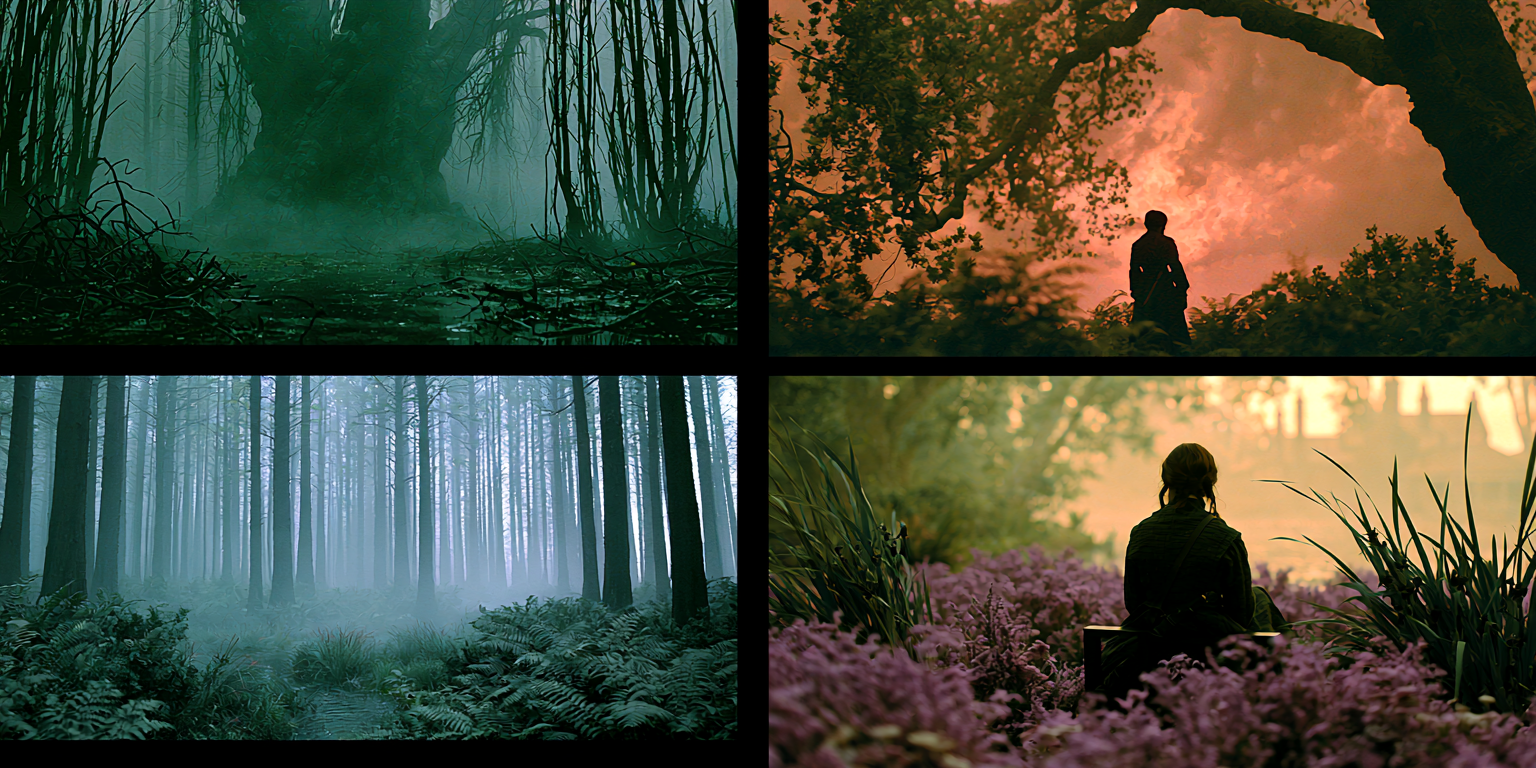
For many students, test anxiety isn’t just about the test itself. It’s about the mental movie they keep replaying.
Maybe you picture yourself forgetting everything.
Maybe you imagine running out of time.
Maybe your brain keeps replaying a bad experience from a previous test.
The good news? According to NLP Coach and Hypnotherapist Melissa Tiers, you may not need to fight those mental movies.
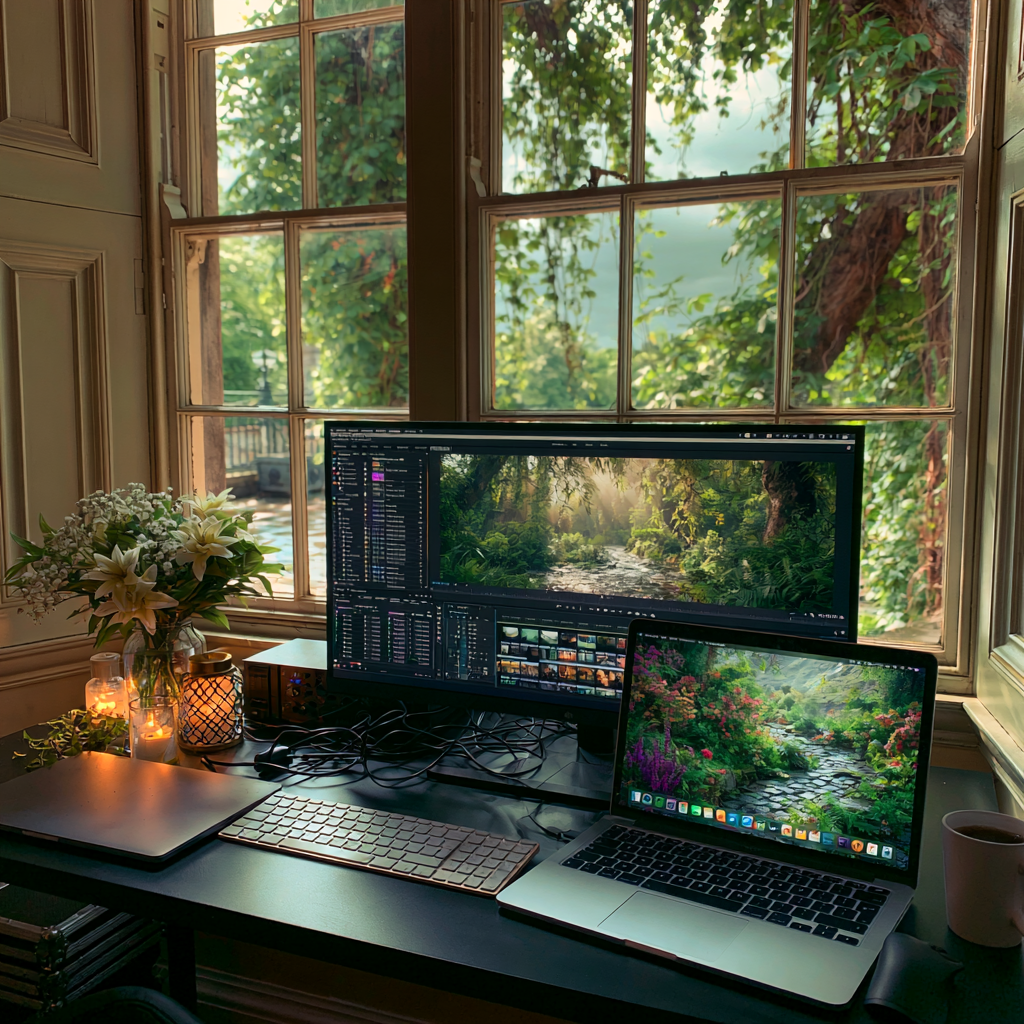
You can learn to edit them instead.
“Your brain responds to the way you represent an experience—not just the experience itself.”
Your Brain Is Like a Movie Theater
Close your eyes for a moment and imagine your biggest SAT worry.
Maybe it’s walking into the testing room.
Maybe it’s staring at a difficult math problem.
Maybe it’s seeing a score that disappoints you.
Now imagine you’re watching that memory or future worry on a giant movie screen instead of living inside it.
Already, you’ve created a little bit of distance.
That’s the first step.
Become the Director
Instead of letting your brain play the movie however it wants, pretend you’re the director.
What could you change?
You might:
- Turn the movie into old, grainy black-and-white.
- Speed it up until it looks silly.
- Slow it down dramatically.
- Shrink the screen until it’s the size of a postcard.
- Push it far away into the distance.
- Add goofy circus music in the background.
- Replace the dramatic soundtrack with cartoon sound effects.
The goal isn’t to pretend the event never happened.
The goal is to teach your brain that this movie doesn’t deserve quite so much emotional power anymore.

Make the Characters Less Intimidating
Sometimes the people in our mental movies seem much bigger than they really are.
Maybe the proctor looks frightening.
Maybe you imagine other students finishing before you.
Maybe an imaginary voice keeps saying, “You’re going to fail.”
What happens if you make those characters… a little ridiculous?
Imagine the worried voice squeaking like a cartoon character.
Imagine the intimidating proctor acting like a confused toddler throwing a tantrum because they dropped an ice cream cone.
Or picture your anxious thoughts wearing oversized clown shoes.
It sounds goofy.
That’s the point.
When your brain starts laughing, it’s much harder for it to stay terrified.

Rewrite the Beginning and the Ending
Melissa Tiers also describes another helpful exercise.
Imagine you’re watching your SAT movie from the projection booth instead of sitting inside the movie itself.
Before the stressful part begins, edit in a scene where you’re calm.
Maybe you’re:
- Taking a few slow breaths.
- Smiling as you walk into the testing center.
- Feeling prepared because you’ve practiced.
Now skip to the ending.
Don’t stop the movie at the hardest question.
Finish the story.
Imagine yourself leaving the testing center.
The test is over.
You’re proud that you stayed calm.
Maybe you’re meeting your parents afterward, grabbing lunch with friends, or relaxing at home.
The difficult part is now behind you.
Your movie now goes:
Safe → Challenge → Safe again.
That ending reminds your brain that the stressful moment doesn’t last forever.
“Every test has an ending. Your brain doesn’t always remember that—but you can remind it.”
Try Running the Movie Backward
Here’s one more fun trick.
Imagine the movie reaching the end…
…then suddenly hitting the rewind button.
Everything moves backward at high speed.
The students walk backward.
Pencil marks on the scrap paper get undone.
Questions on the screen move in backwards succession.
You find yourself walking backwards out from where you came in.
The whole experience rewinds until you’re back at the beginning.
Some people notice that watching an anxious memory backward makes it feel surprisingly different.

Practice Before Test Day
Like any skill, this gets easier with practice.
You don’t have to wait until the night before the SAT.
Try spending just a few minutes every few days imagining your SAT movie and experimenting with different edits.
You may discover that one change works especially well for you.
Everyone’s brain is a little different.
The Goal Isn’t Perfection
These techniques aren’t about convincing yourself that the SAT is easy.
They’re about helping your brain respond more calmly.
When your anxiety comes down, something amazing often happens:
You think more clearly.
You remember more.
You solve problems more effectively.
In other words, you give yourself a better chance to show what you actually know.

Want to Learn More?
Many of these creative anxiety-reduction techniques come from the work of Melissa Tiers, an NLP Coach and Hypnotherapist. If you enjoy this approach, her book, The Anti-Anxiety Toolkit, is packed with practical exercises designed to help you interrupt anxious thinking and build calmer, more flexible mental habits.
You can find it here:
Final Thought
The SAT may be a real test…
…but the scary movie your brain creates about it doesn’t have to stay the same.
You can’t always control the questions that appear on test day.
But you can learn to become the director of the movie playing inside your mind.
And sometimes, changing the movie is enough to change the way you feel.